


The Decade Everything Changed
We are just past the halfway point of the 2020s, and honestly? It has been the wildest ride in video game history. Think back to where we started. 2020 was the year the world shut down, and gaming became our only lifeline. We survived through shortages, scalpers selling PS5s for $1,000, the rise (and fall) of NFTs, the AI revolution, and the massive industry layoffs of 2024.
- The Decade Everything Changed
- 10. Vampire Survivors (2022)
- 9. Helldivers 2 (2024)
- 8. Animal Crossing: New Horizons (2020)
- 7. Metroid Prime 4: Beyond (2026)
- 6. Cyberpunk 2077 (The Redemption Arc) (2020-2023)
- 5. Monster Hunter Wilds (2025)
- 4. The Legend of Zelda: Tears of the Kingdom (2023)
- 3. Highguard (2026)
- 2. Baldur’s Gate 3 (2023)
- 1. Elden Ring (2022)
- Honorable Mentions (The “Almost” List)
- What Comes Next?
But through the chaos, one thing remained constant: The Masterpieces.
This decade has produced games that redefined genres, shattered sales records, and embarrassed the “Triple-A” laziness of the past. We have seen indie developers humiliate billion-dollar corporations. We have seen “dead” genres like the CRPG rise from the grave to win Game of the Year.
Creating this list was impossible. Arguments were had. Keyboards were almost broken. But we have settled on the definitive list. These are the 10 games that have defined the 2020s so far—not just because they are “fun,” but because they changed the industry forever.
Let the debate begin.
10. Vampire Survivors (2022)

Developer: Poncle Genre: Reverse Bullet Hell
Why it defined the decade: The triumph of “Gameplay First.” In an era where studios were spending $200 million on 4K graphics and motion-captured actors, a single developer released a pixel-art game that looked like a slot machine from 1995. And it was more addictive than all of them. Vampire Survivors invented the “Survivor” genre. It proved that you don’t need Ray Tracing to hook a player; you just need a perfect dopamine loop. For $3, it offered hundreds of hours of joy. It was the ultimate “Anti-AAA” statement.
Más en RoyaleFun

- Legacy: Look at the mobile store today. It’s full of clones. But nothing beats the original garlic-fueled madness.
9. Helldivers 2 (2024)
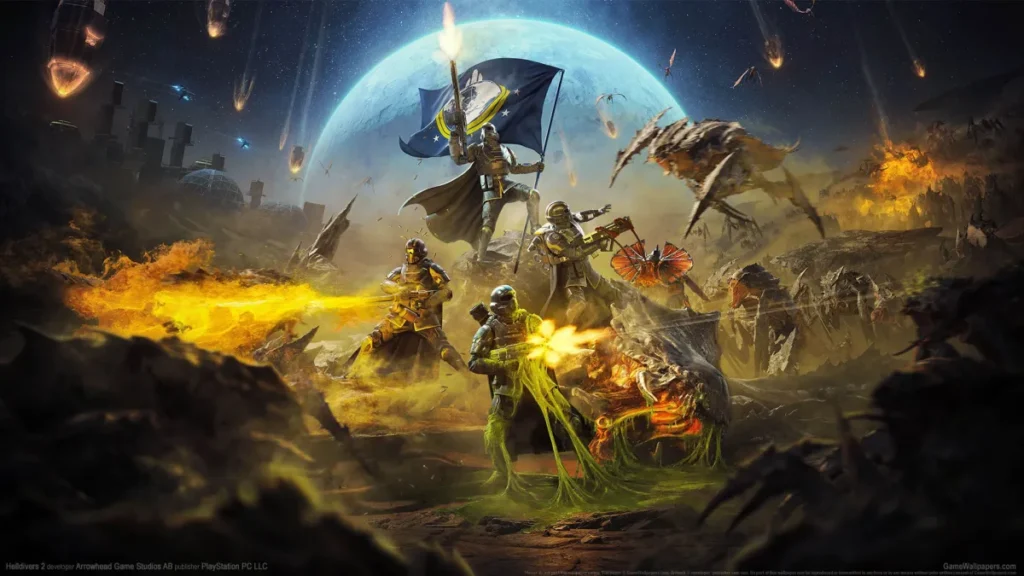
Developer: Arrowhead Game Studios Genre: Co-op Shooter
Why it defined the decade: It fixed Live Service. By 2024, gamers were exhausted. “Live Service” meant Battle Passes, FOMO (Fear Of Missing Out), and $20 skins. Then came Helldivers 2. It didn’t demand your money; it demanded your loyalty to “Super Earth.” With a friendly fire system that was hilarious rather than toxic and a global “Game Master” (Joel) manipulating the war in real-time, it created a community narrative that no scripted story could match. It proved that a PvE game could be just as viral and competitive as a PvP shooter.
- Iconic Moment: The collective panic of the “Malevelon Creek” campaign.
8. Animal Crossing: New Horizons (2020)
Developer: Nintendo Genre: Life Sim
Why it defined the decade: The Pandemic Savior. You cannot talk about the 2020s without talking about New Horizons. Released in March 2020, exactly as the global lockdowns began, it became more than a game. It became a social network. Weddings, graduations, and birthday parties were held on these islands. For millions of people, checking turnip prices was the only routine keeping them sane. While the gameplay was simple, its cultural impact was nuclear. It drove the Nintendo Switch to become the best-selling console of all time.
- Legacy: It proved that “Cozy Gaming” is a financial titan.
7. Metroid Prime 4: Beyond (2026)
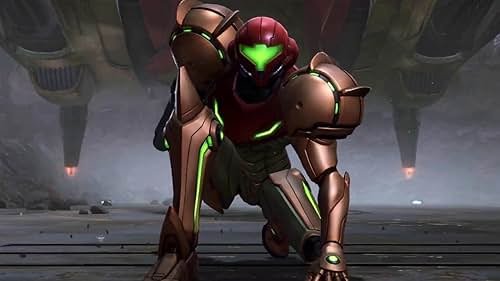
Developer: Retro Studios Genre: First-Person Adventure
Why it defined the decade: The Vaporware that Delivered. We waited nine years. We saw the logo restart development in 2019. It became a joke. A myth. But when it finally launched last month on the Switch 2, it silenced everyone. Retro Studios managed to modernize the “Scan Everything” gameplay loop without losing the isolation that makes Metroid special. Seeing Samus Aran in 4K 60fps with ray-traced reflections on her visor was the “Next-Gen” moment Nintendo fans had been begging for since the Wii U. It is a masterclass in atmospheric storytelling.
- Best Feature: The seamless transition between space flight and planetary exploration.
6. Cyberpunk 2077 (The Redemption Arc) (2020-2023)
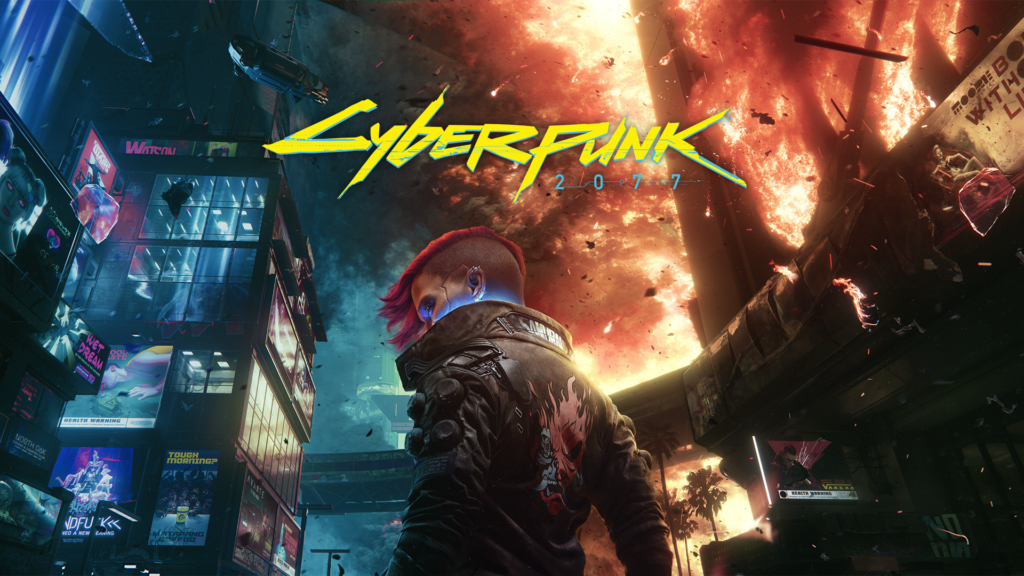
Developer: CD Projekt Red Genre: RPG
Why it defined the decade: The lesson in Hubris and Humility. December 2020 was a disaster. The game was broken, unplayable on consoles, and pulled from the PS Store. It was the biggest failure in hype history. But CD Projekt Red didn’t run. They spent three years patching it. They rebuilt the police system. They overhauled the skill trees. And with the Phantom Liberty expansion (2023), they finally delivered the game they promised. It stands on this list not for its launch, but for its recovery. It is a cautionary tale for developers (don’t release too early) and a beacon of hope for gamers (games can be fixed). Today, Night City is the most immersive futuristic city ever built.
5. Monster Hunter Wilds (2025)
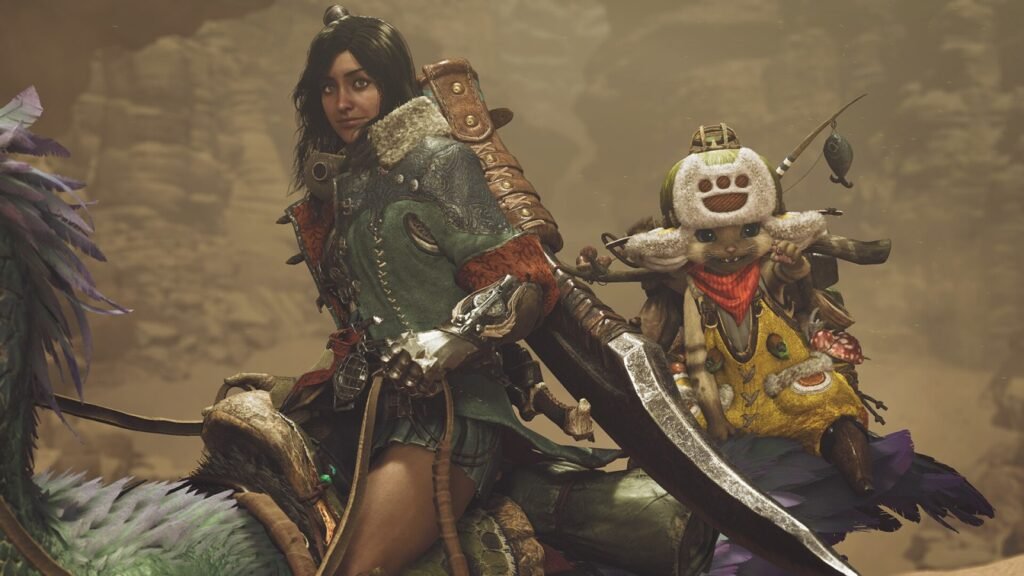
Developer: Capcom Genre: Action RPG
Why it defined the decade: The Evolution of Ecosystems. Monster Hunter World brought the franchise to the West. Wilds perfected it. Released last year, it took the “living world” concept of Red Dead Redemption 2 and applied it to boss fights. Monsters don’t just wait for you in arenas anymore; they migrate, they have herds, and the weather changes the entire map geometry in real-time. The “Focus Mode” combat system made the game accessible to newcomers without dumbing down the complexity for veterans. It is the pinnacle of co-op combat.
- Top Monster: The Rey Dau (Lightning Wyvern). Pure terror.
4. The Legend of Zelda: Tears of the Kingdom (2023)
Developer: Nintendo Genre: Open World Adventure
Why it defined the decade: An Engineering Miracle. How? How did this run on a Switch from 2017? Nintendo gave players the “Ultrahand”—a tool to glue objects together—and said: “Break our game.” And we did. Players built mechs, bombers, torture devices for Koroks, and orbital lasers. Most developers patch out exploits. Nintendo built a physics engine so robust that the exploits were the gameplay. It redefined what “Open World” means. It wasn’t just a map to explore; it was a canvas to create.
- Legacy: It made us look at every other open-world game and ask: “Why can’t I build a plane here?”
3. Highguard (2026)
Developer: Respawn / EA Genre: Competitive Shooter
Why it defined the decade: The new King of Esports. It has only been out for a week (officially), but we can already see the trajectory. Highguard has done the impossible: it killed the Valorant vs. Counter-Strike debate by being better than both. By combining the tactical 5v5 bomb defusal mode with vertical movement mechanics (wall-running, jet-dashing), it raised the skill ceiling to the stratosphere. It is frustrating, fast, and incredibly difficult. It represents the peak of the 2020s obsession with “Competitive Integrity.” If you lose in Highguard, it’s your fault. And that is addictive.
- Current Status: Fixing server issues, but the gameplay is 10/10.
2. Baldur’s Gate 3 (2023)
Developer: Larian Studios Genre: CRPG
Why it defined the decade: The Standard Bearer. In 2023, developers from other studios went on Twitter to say: “Don’t expect this to be the new standard. This is an anomaly.” They were scared. Baldur’s Gate 3 proved that a hardcore, turn-based Dungeons & Dragons game could be a mainstream blockbuster if you put enough love (and money) into it. With no microtransactions, complete creative freedom, and motion capture for every single NPC line, it embarrassed the industry. It allowed you to do anything. Want to talk to the dead? Sure. Want to turn into a wheel of cheese? Go ahead. It proved that gamers aren’t stupid. We crave depth.
- Legacy: The Game of the Year that forced Triple-A studios to try harder.
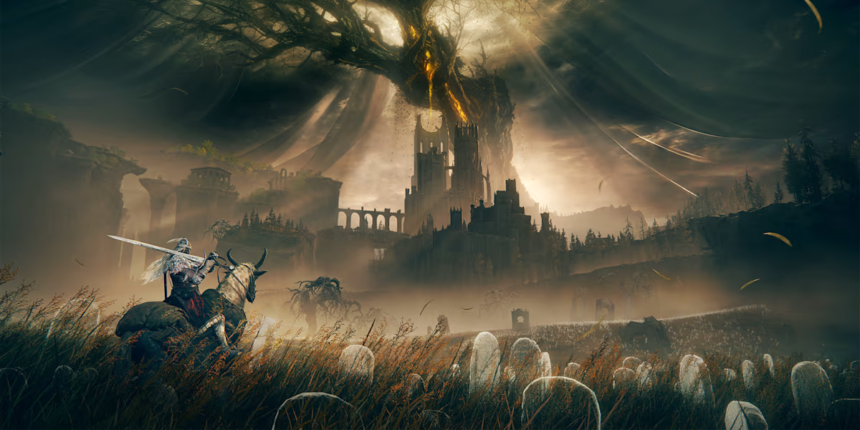
1. Elden Ring (2022)
Developer: FromSoftware Genre: Action RPG
Why it defined the decade: The Cultural Shift. There was “Before Elden Ring” and “After Elden Ring.” Before 2022, open worlds were full of quest markers, mini-maps, and lists of chores. Ubisoft had taught us to follow the dotted line. Elden Ring deleted the line. It dropped us in Limgrave with zero instructions and said: “Good luck.” It trusted the player. It brought back the mystery of gaming in the 90s, where you had to talk to friends to figure out secrets. The art design, the brutal difficulty, and the lore of George R.R. Martin created a perfect storm. It didn’t just sell 25 million copies; it changed how players perceive difficulty. It made “getting good” mainstream. For its sheer audacity to respect the player’s intelligence, Elden Ring is, without a doubt, the best game of the 2020s so far.
Honorable Mentions (The “Almost” List)
- Palworld (2024): It was a fever dream. “Pokémon with guns.” It proved that copyright-bordering satire creates massive buzz.
- Alan Wake 2 (2023): A visual masterpiece that blurred the line between film and gaming.
- Hades II (2024): The perfect sequel, but perhaps too safe compared to the innovation of the first one.
- Black Myth: Wukong (2024): A technical marvel that put Chinese AAA development on the map globally.
What Comes Next?
We have four years left in this decade. GTA VI arrives this November. The Elder Scrolls VI is… somewhere. Naughty Dog is working on a new IP. Will any of them dethrone Elden Ring? The bar has been set incredibly high. But if the first half of the 2020s taught us anything, it’s that the next masterpiece usually comes from where we least expect it.
Did we miss your favorite game? (Of course we did). Tell us in the comments why we are wrong and why Starfield deserves to be #1 (It doesn’t, but you can try to convince us).