

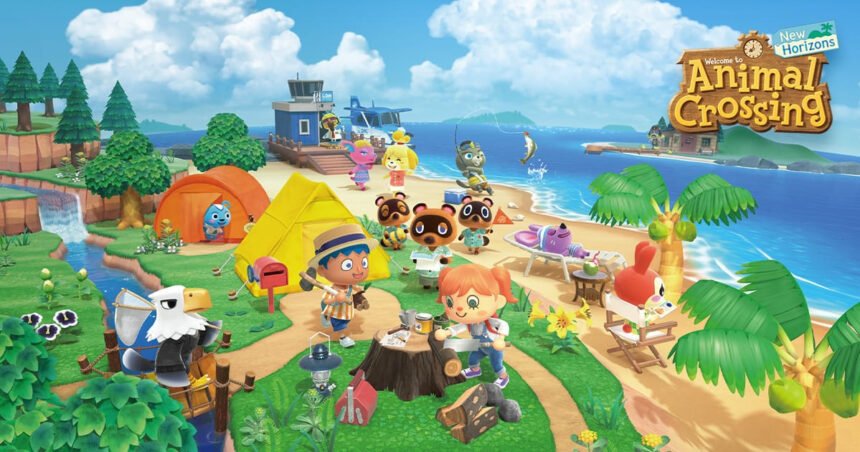
It’s been six months since the Nintendo Switch 2 launched, and let’s be honest: our consoles have been gathering a bit of dust waiting for the “big ones.” Sure, Mario Kart 9 is fun, but we’ve been craving that cozy, life-ruining addiction that only one raccoon can provide.
On January 15, Nintendo dropped the “Definitive Edition” of Animal Crossing: New Horizons for the Switch 2. No, it’s not a brand new game. Yes, they are asking for full price (unless you snagged the upgrade path).
The big question isn’t whether the game is good—we know it is. The question is: Is seeing Isabelle in 4K resolution worth paying $70 all over again? After spending a week rebuilding my island from scratch (because Nintendo still makes cloud transfers a nightmare), here is my honest verdict on the 4K upgrade.
The Visual Leap: From Blurry to Breathtaking
The original New Horizons was charming, but let’s face it: on a 4K TV, the jagged edges were sharp enough to cut you. The Switch 2 version changes everything.
Native 4K & HDR Running on the Switch 2’s new hardware, the game targets a native 4K output in docked mode. The difference is jarring. The Museum, in particular, looks like a tech demo. The lighting on the fossils, the water refraction in the aquarium, and the texture of the butterfly wings are stunning. When you play in handheld mode on the new OLED screen, the colors pop in a way the old model simply couldn’t handle. The sunset hours (5 PM – 7 PM) are now a legitimate visual spectacle thanks to HDR support.
Texture Quality It’s the little things. You can now see the individual stitching on clothes. The fur on villagers like Raymond or Marshall looks soft enough to touch. It’s a level of fidelity we usually associate with Pixar movies, not handheld consoles.
Performance: The End of the “Loading” Era
If you played the original, you remember the pain. Entering a house? Load screen. Leaving the museum? Load screen. Visiting a friend? Grab a coffee, because you’ll be waiting for five minutes.
Más en RoyaleFun
The SSD Difference Thanks to the Switch 2’s NVMe SSD, loading times are effectively dead.
- House Entry: Instant.
- Museum Entry: Instant.
- Island Flyover: Reduced from 45 seconds to about 8 seconds.
This doesn’t just save time; it changes how you play. I found myself decorating interiors way more often simply because I didn’t have to dread the loading screen transition. The game feels fluid, snappy, and modern.
60 FPS Finally? Yes. The game now runs at a locked 60fps, even when your island is cluttered with thousands of waterfalls and furniture items. The famous “lag” that happened on 5-star islands in the old version is completely gone.
New Features: Is There Actually New Content?
This is where things get controversial. Nintendo is marketing this as a “Definitive Edition,” but the new content is thin.
- Island Expansion: The grid size has been increased by 20%, giving you more shoreline and a deeper forest area.
- Item Limit Increase: You can now place double the amount of furniture outside.
- Villager Cap: You can finally have 12 villagers instead of 10. (Welcome back, Roald).
Is this enough to justify a full purchase? If you are a casual player, probably not. But for the decorators and the hardcore fans, that extra space and item limit is worth its weight in gold (or Bells).
The Verdict: For the Addicts Only
Let’s keep it real. If you played New Horizons for 50 hours in 2020 and got bored, high-resolution textures won’t change your mind. The core gameplay loop is exactly the same: fish, catch bugs, pay debt.
However, if you are one of the millions who lived on your island during the lockdown, or if you skipped the original entirely, this is the absolute best way to experience the game.
Pros:
- Stunning 4K visuals and HDR lighting.
- 60fps performance makes gameplay buttery smooth.
- Loading times are virtually non-existent.
- More space for creativity.
Cons:
- Full price tag ($70) feels steep for an “Upgrade.”
- No massive new gameplay mechanics (like swimming was in the update).
Rating: 8.5/10 It’s the same game you love, just prettier, faster, and bigger. And sometimes, that’s enough.
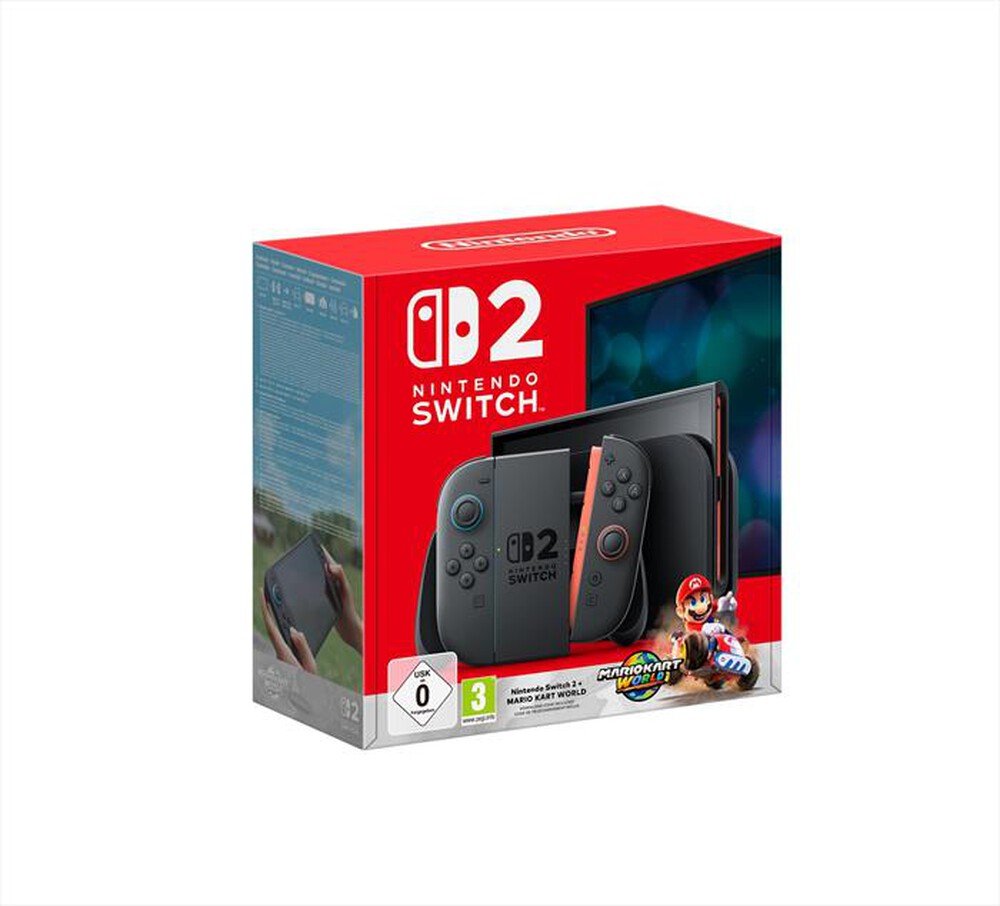
Nintendo Switch 2 System
The next evolution of Nintendo Switch